If you’ve ever looked at your parrot’s destroyed toy and thought, “That didn’t last long,” you’re not alone.
Many pet bird owners hesitate to buy toys because their birds tear them up in days (or hours). The common objections sound familiar:
“They just destroy them anyway.”
“Why waste money on something they’ll shred?”
“My bird doesn’t even play with toys.”
But here’s the truth:
Parrots are supposed to destroy their toys.
In fact, when they do, it means the toy is working.
Understanding Natural Behavior: Destruction Is Enrichment
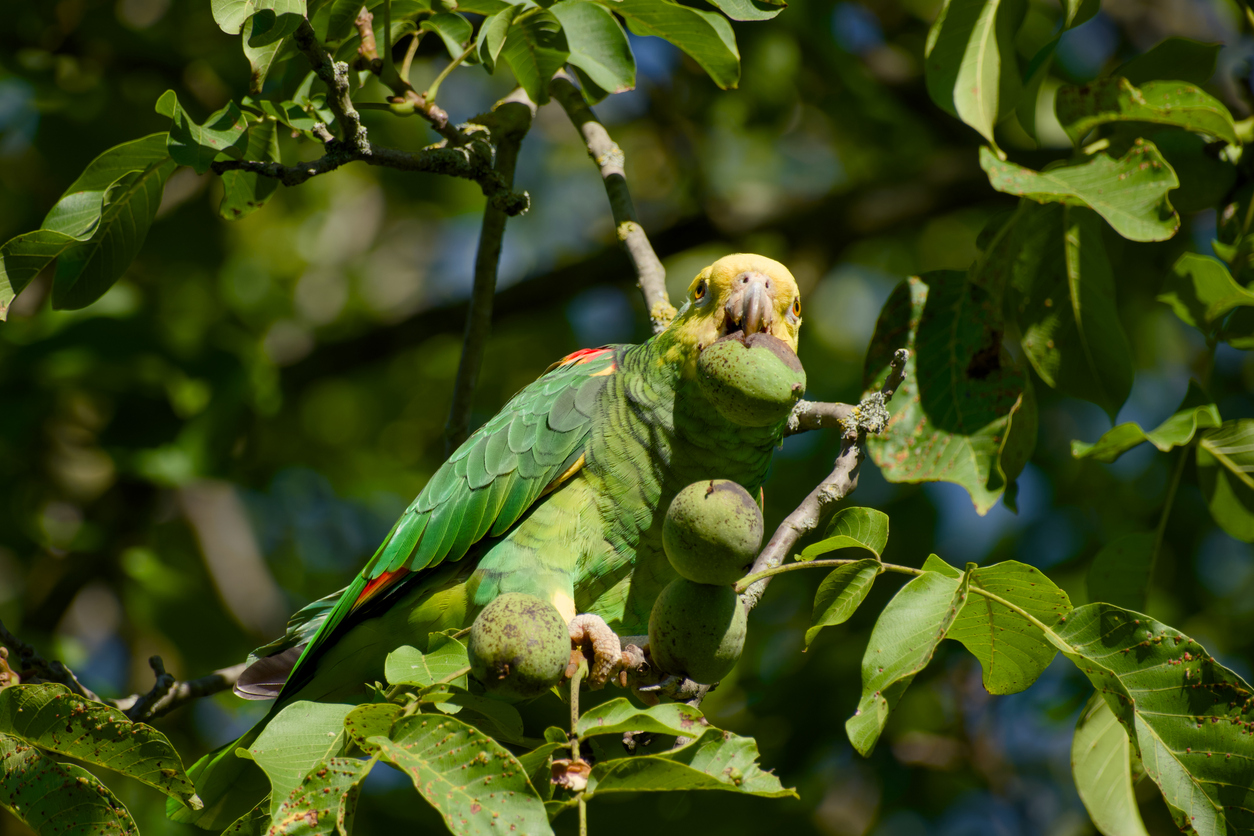
In the wild, parrots spend hours every day chewing bark, stripping leaves, breaking seed pods, and tearing apart natural materials to access food and create nests. This isn’t bad behavior. It’s survival.
Captive parrots still carry those same instincts. Without appropriate outlets, they may turn to feather-plucking, cage-bar chewing, or aggression. The answer? Provide enrichment that channels those instincts into safe, healthy destruction.
A destroyed toy is a successful toy.
Why Natural Toys Are So Important
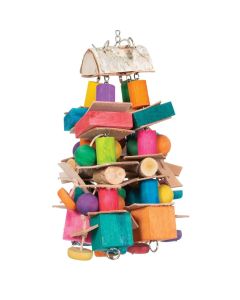
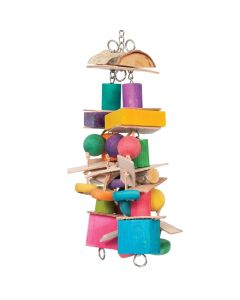
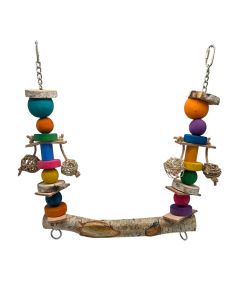
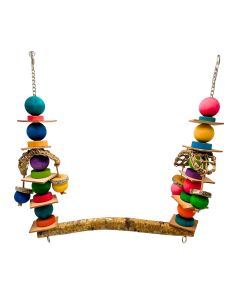
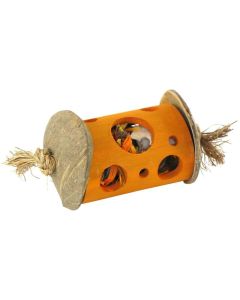
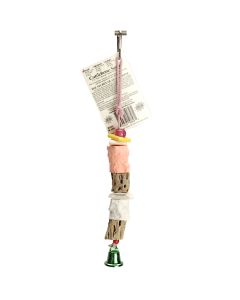
There are many types of bird toys — including acrylic puzzle toys, stainless steel toys, and interactive foragers — and they all have their place. But for most parrots, especially those new to toys, natural toys are the best starting point.
Natural toys are made to be destroyed.
They encourage chewing, shredding, and foraging, which are instinctive and necessary for parrot health.
Common materials include:
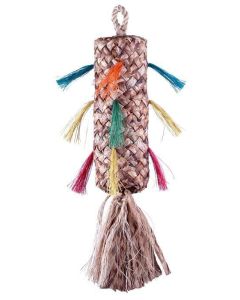
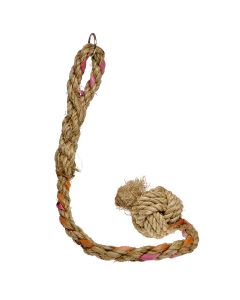
- Palm leaf and vine
- Untreated wood
- Leather
- Paper
- Coconut shell
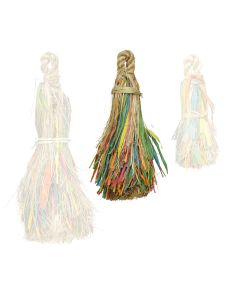
- Corn husk
These materials offer the perfect textures for beak engagement and simulate the plant matter birds would naturally interact with.
Debunking the "Waste of Money" Myth
A chew toy is not like a durable human toy. It’s more like a parrot's gym membership and therapist in one.
You wouldn’t skip feeding your bird because the food disappears. Toys work the same way. They serve a daily mental and physical need. And yes, that means they’ll need to be replaced over time.
Think of it like this:
- A toy destroyed over a few days provided hours of mental stimulation.
- That stimulation helped prevent behavioral issues.
- You just bought yourself peace, quiet, and a healthier, happier bird.
That’s a great return on investment.
The Role of Foraging Toys
In the wild, parrots spend up to 70% of their day searching for food. When food appears in a bowl with no effort, a key part of their brain goes unused.
Foraging toys solve this by hiding food inside paper, wood, or shreddable layers, so the bird has to think, chew, pull, and explore.
Try This:
Stuff nuts or dried fruit pieces into a palm basket or vine ball. Let your bird dig them out.
This turns mealtime into a workout — which is exactly what your parrot needs.
What If My Bird Doesn’t Like Toys?
Some parrots take time to warm up to toys, especially rescues or birds that never learned to play. Start with:
- Simple, soft materials like crinkle paper
- Placing toys outside the cage first
- Playing with the toy in front of your bird
Gradually, curiosity takes over. Once they understand the toy is theirs to destroy, most parrots jump right in.
Featured: Natural Toys from The Leather Elves
Developed by enrichment expert Robin Shewokis, The Leather Elves line offers safe, bird-approved toys designed specifically for shredding, foraging, and natural play.
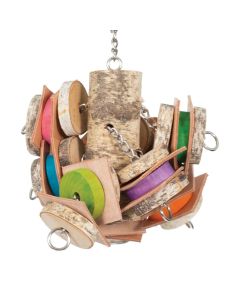
Some Wingz favorites:
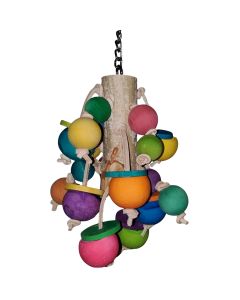
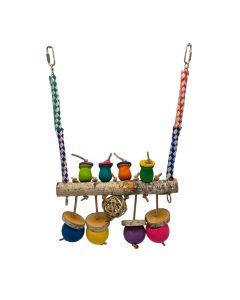
Fiesta Forager — Colorful, natural, and perfect for stuffing with treats
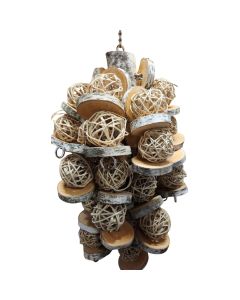
Bubbly Birch Forager — Great for all parrots who love to forage & destroy
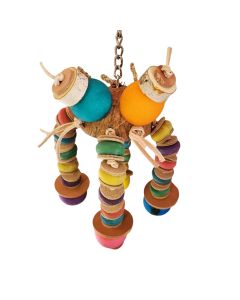
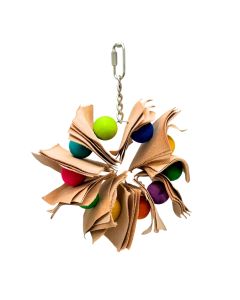
Foraging Freddie — Complex and interactive for experienced chewers
Leather Preening Ring — Ideal for redirecting over-preeners
Final Thought: Destruction Is Healthy
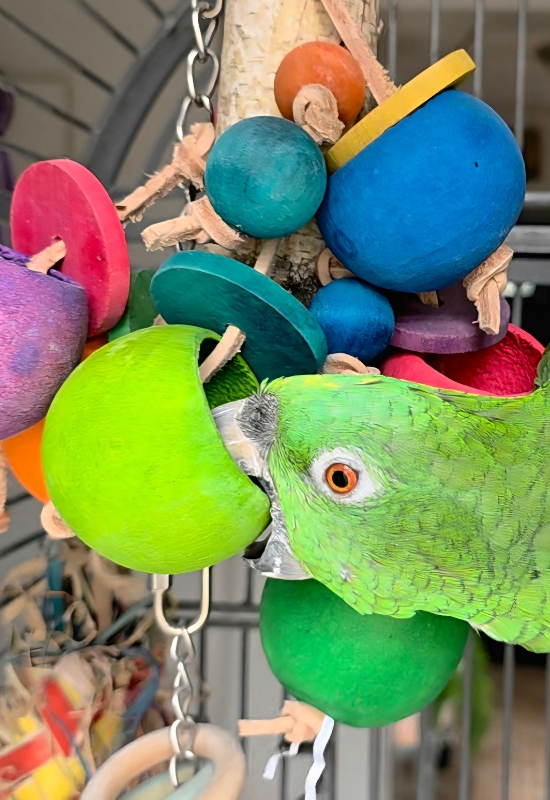
When you give your parrot a natural toy and they tear it to bits, you’re not watching money disappear. You’re watching:
- Confidence grow
- Stress melt
- Instincts thrive
- A bird being a bird
So yes, let them destroy the toy.
And when it’s gone, give them another.
Because a busy beak is a happy beak.