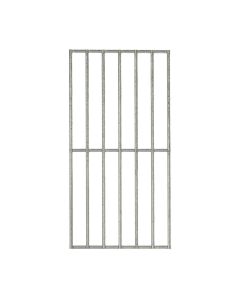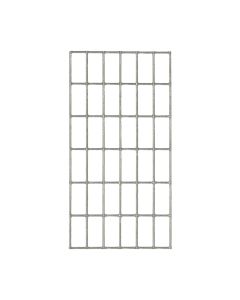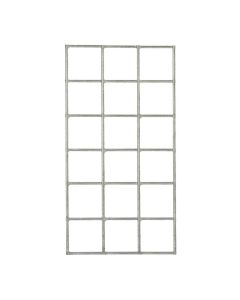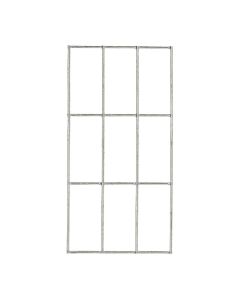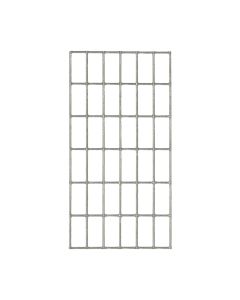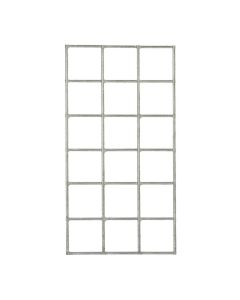
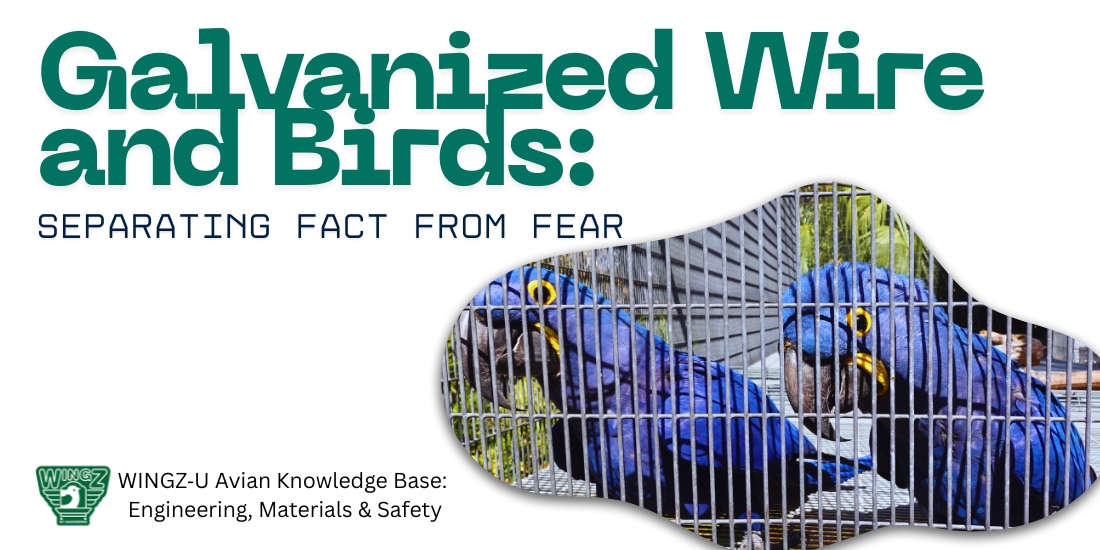
Few topics in avian care generate as much confusion—and unnecessary fear—as galvanized wire. You’ve likely heard the warning: “All galvanized wire is toxic to birds.” It’s repeated so often that it feels like fact.
But it isn’t.
Like many myths in animal care, this one is rooted in a grain of truth that’s been oversimplified, stripped of context, and repeated without nuance. The result? Bird owners avoiding perfectly safe materials—or worse, making decisions based on fear rather than science.
Let’s set the record straight.
Where the Myth Comes From: Is Galvanized Wire Toxic to Birds?
Galvanization is the process of coating steel or iron with zinc to protect it from rust and corrosion. Loose Zinc, like any metal, can be harmful to birds if ingested. Early reports of zinc toxicity in birds often involved:
- Poorly manufactured wire with loose, chunky, or flaky zinc coating.
- Aviary environments in which feeding stations were not properly sheltered from rain run-off that caused zinc to leach into food stuffs.
- Birds chewing aggressively on improperly cut materials with loose zinc edges or loose hardware.
- Industrial woven wire, or chain link materials never intended for birds.
- Unclean weathered wire not properly washed before placing into service.
Over time, these edge cases were simplified into a blanket statement: galvanized equals toxic.
That leap is where the myth begins. When additional information is known it is easier to differentiate myth from fact.
The Critical Distinction: Zinc Exposure vs. Zinc Ingestion in Birds
Zinc toxicity does not occur from the mere presence of zinc-coated (galvanized) steel. It occurs when a bird ingests zinc particles in sufficient quantities.
That distinction matters. The mere presence or contact with zinc is not toxic. For example, humans use zinc oxide for sun protection, applying it directly to the face.
Modern, properly manufactured zoo-grade galvanized wire—especially wire produced for animal enclosures—has:
- A tightly bonded smooth zinc layer
- No loose or chunky surface zinc
- A stable finish that does not flake under normal use and patination.
In other words, contact is not the problem. Consumption is.
A bird perching on or climbing wire is not the same as a bird chewing and ingesting metal particles. A properly made enclosure with quality wire will not have ingestible zinc particles.
Not All Galvanization Is the Same: Understanding GAW and Electro‑Galvanized Wire
This is where most discussions fall apart.
There are different types of galvanization, and they behave very differently:
Hot-Dip Galvanized Wire
- Thick zinc coating
- Extremely corrosion-resistant
- Can have surface irregularities if poorly finished
- Often misunderstood due to older manufacturing standards
Electro-Galvanized Wire
- Thinner, smoother zinc coating
- More uniform surface
- Less prone to flaking
- Common in high-quality animal enclosures
Quality matters more than the word “galvanized.”
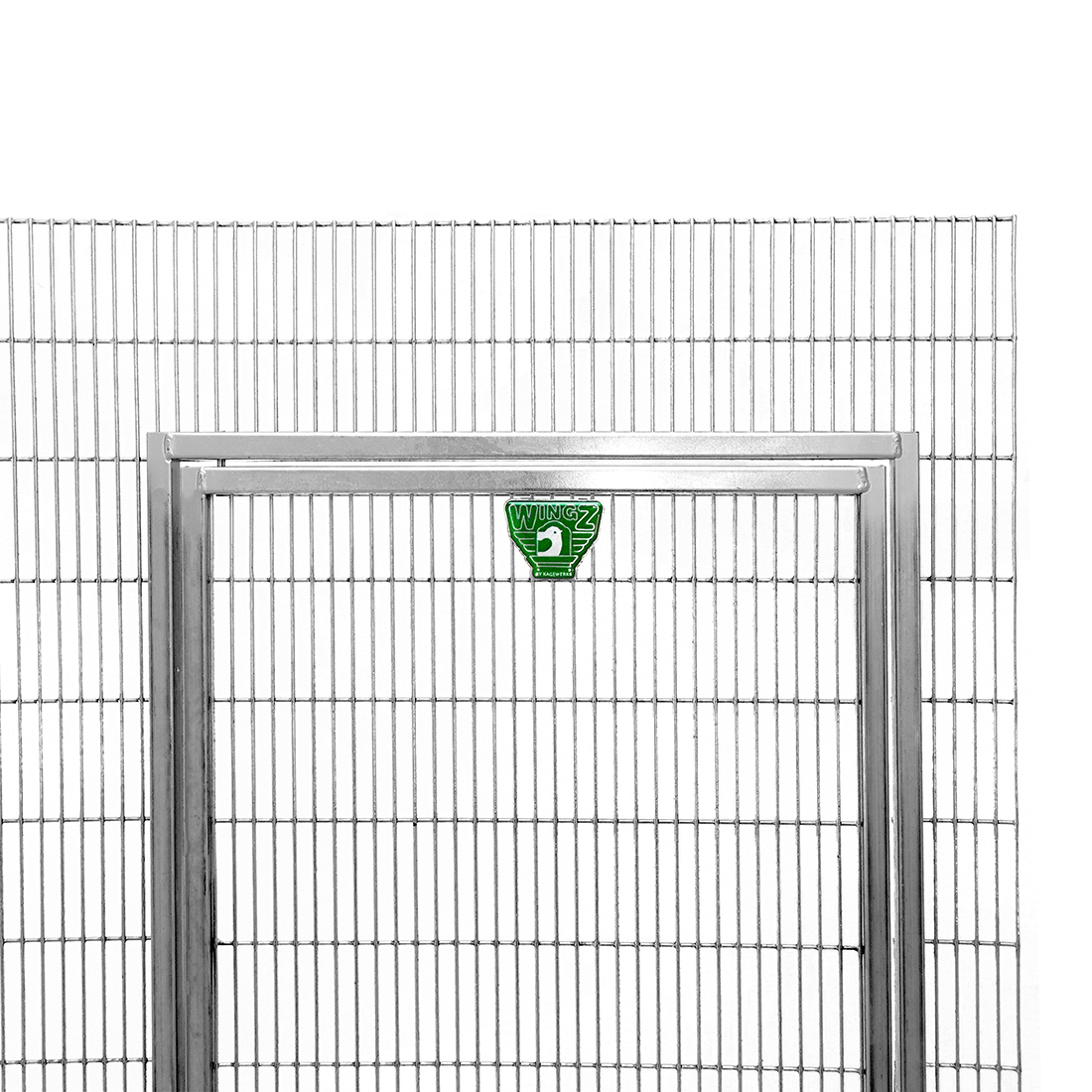
Wire that is properly finished, cured, and cleaned is fundamentally different from raw industrial fencing or hardware cloth.
Why Birds Aren’t Automatically at Risk
Healthy, enriched birds do not typically gnaw obsessively on cage wire.
Problem behaviors—like metal chewing—are usually linked to:
- Boredom or lack of enrichment
- Improper perch variety
- Nutritional deficiencies
- Stress or poor housing design
When these issues are addressed, the risk of metal ingestion drops dramatically—regardless of material.
This is why professional aviaries, breeders, and zoological facilities around the world have safely used galvanized wire for decades.
When Galvanized Wire Can Be a Problem for Birds
Honesty matters. There are situations where galvanized wire is not appropriate:
- Cheap, unfinished wire with visible zinc residue
- Wire exposed to acidic cleaners or environmental conditions
- Enclosures for species known to aggressively chew metal
- Poorly designed cages that encourage constant wire contact
The issue is application and quality, not galvanization itself.
Why Wire Quality Matters — And Why Not All Wire Is Equal
This is where blanket statements about “galvanized wire” become actively misleading.
At Wingz, the wire used in our aviaries and cages is not commodity wire. It is precision-manufactured in Europe under some of the highest metallurgical and quality-control standards in the world—standards that are simply not comparable to bargain-basement wire flooding online marketplaces.
Premium European Wire vs. Cheap Import Wire
High-quality European-manufactured wire (like what Wingz uses):
- Consistent steel composition and tensile strength
- Precisely controlled galvanization thickness
- Uniform, tightly bonded zinc coating
- Smooth finish with no loose residue
- Manufactured specifically for animal enclosures
- Traceable production standards and quality audits
Low-cost imported wire (often mislabeled or vague in origin):
- Inconsistent steel alloys
- Poorly controlled or uneven galvanization
- Higher risk of flaking, powdering, or surface zinc residue
- Often intended for construction or temporary fencing
- Minimal quality oversight
This distinction is critical.
Most documented zinc-related issues in birds trace back not to galvanization as a process—but to inferior wire quality, poor finishing, or materials never designed for avian use.
When people say “galvanized wire is dangerous,” what they are usually describing is cheap wire, not properly engineered wire.
The Bigger Picture: Design Over Dogma
Material choice should never be reduced to a single word.
Safe avian housing depends on:
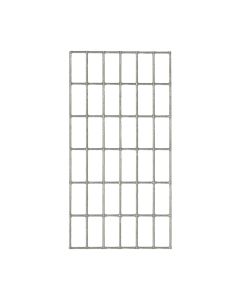
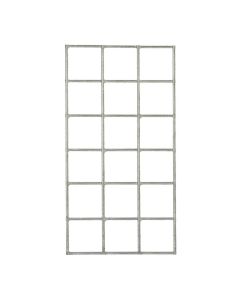
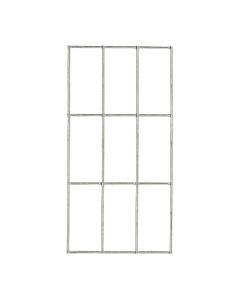
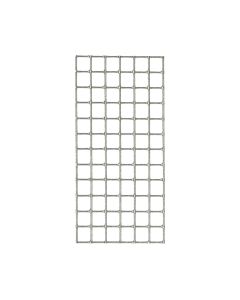
- Wire gauge and spacing
- Manufacturing quality
- Finish consistency
- Enclosure design
- Environmental enrichment
- Species-specific behavior
When these factors are engineered correctly, galvanized wire can be a durable, safe, and long-lasting component of avian enclosures.
Real-World Expertise: What Professional Aviculturists Actually Use
One of the strongest rebuttals to the “all galvanized wire is toxic” myth comes not from theory—but from decades of real-world avicultural practice.
Lewis “Buddy” Waskey, President of the American Federation of Aviculture and a long-time macaw breeder, has publicly addressed this issue after years of seeing misinformation repeated online. His experience mirrors what many professionals already know:
- Quality galvanized-after-weld (GAW) wire is the standard for outdoor flights and aviaries
- It is widely used across commercial breeding facilities, sanctuaries, and zoos in the U.S.
- Some of the rarest and most valuable psittacines in the country are housed safely in galvanized wire enclosures
Waskey specifically notes that zinc toxicity requires ingestion, not contact—and that the real risk historically came from inferior wire where galvanization could flake or break loose. He has even consulted one of the top avian specialist veterinarians in the world, Dr. Susan Clubb. Her advice is direct and consistent:
|
“Yes, galvanized wire can be used—but you need to buy the good stuff. Not the cheapest wire.” -Dr. Susan Clubb, World-Renowned Avian Veterinarian |
Mr. Waskey, Dr. Clubb, along with multiple well-known avian veterinarians and institutions, use galvanized wire in professionally designed flights where material quality, finish, and enclosure design are properly controlled.
This is not theoretical safety. It is proven, long-term use.
So Why Does the Myth Persist?
Because fear spreads faster than nuance.
“Never use galvanized wire” is easy to remember. “Understand zinc chemistry, manufacturing standards, bird behavior, and enclosure design” is not.
But responsible avian care deserves the full explanation—not a shortcut.
Key Takeaways: Galvanized Wire Safety for Aviaries
- Zinc toxicity is real—but context matters
- Galvanized does not automatically mean dangerous
- Quality, finish, and design are what determine safety
- Well-made galvanized wire has a long, proven track record in aviculture
The goal isn’t to defend a material—it’s to promote informed, science-based decisions that lead to healthier birds and better enclosures.
Fear-based myths don’t protect birds. Good design does.
The WINGZ‑U Standard
WINGZ‑U exists to replace hearsay with engineering, and fear with facts.
Bird safety is not improved by blanket rules or viral myths—it is improved through material science, manufacturing discipline, and thoughtful enclosure design. When wire is produced to the right standards, finished correctly, and used as intended, it can serve birds safely for decades.
This is why Wingz invests in premium European wire, rigorous supplier oversight, and designs that prioritize enrichment over contact-driven wear.
Education is how aviculture moves forward.
That’s the WINGZ‑U standard.
Frequently Asked Questions (FAQ)
1. Is galvanized wire safe for parrots and macaws?
Yes. High-quality galvanized-after-weld (GAW) or electro-galvanized wire manufactured for animal enclosures is considered safe. Risk is associated with ingestion of loose zinc from inferior wire—not from contact with properly finished wire.
2. What galvanized wire should never be used for bird cages?
Construction-grade hardware cloth, wire of unknown origin, or low-cost imported mesh with inconsistent coatings should not be used in bird cages or aviaries.
3. Why do professional aviaries use galvanized wire instead of stainless steel?
Galvanized wire offers durability, corrosion resistance, and structural strength at scale. When produced to high standards, it has a long, proven history of safe use in professional aviculture.
4. Is stainless steel safer than galvanized wire for birds?
Stainless steel is an excellent option, but it is not the only safe one. Properly engineered galvanized wire is also bird-safe when quality, finish, and enclosure design standards are met.